
Your Work, Your Rights: What Everyone Needs to Know About AI Privacy Right Now
(Editorial by Cirina Catania, USTimes Sr Editor, 2026-05-19)
WARNING: This is a long one. But it is important and we wanted to share as much information as possible to help protect all our creative work.
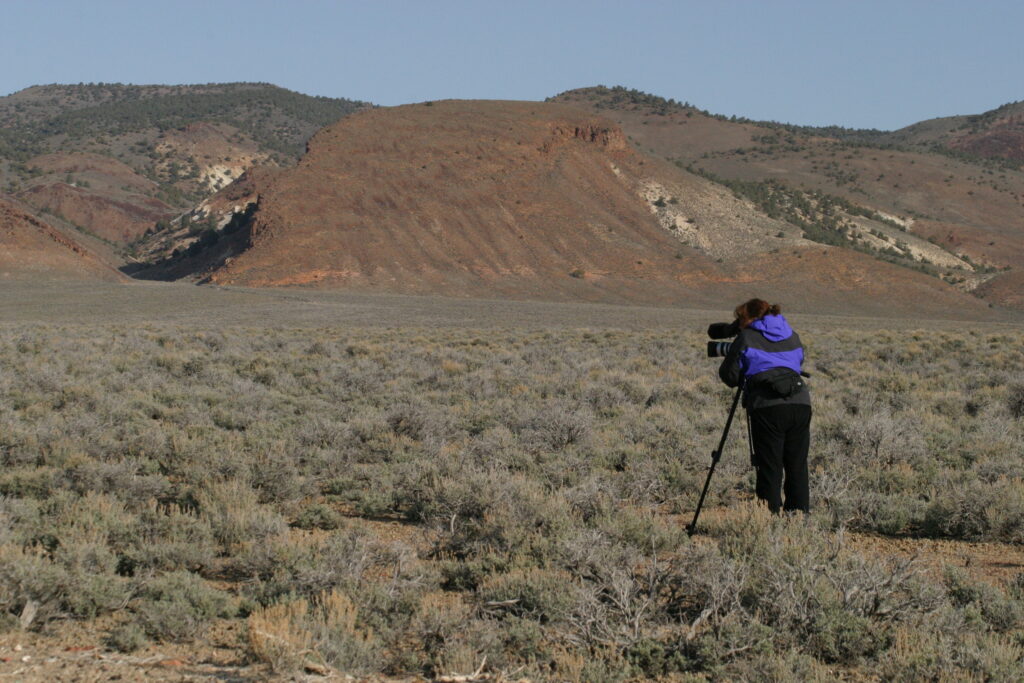
As someone who has worked under NDAs for most of my career and who takes copyright seriously as a matter of both principle and livelihood, I had to go deep on one critical question before I could use Claude with confidence: where does my content go, and who controls it?
So I asked Claude for help figuring out what to do.
What I found was more complicated than I expected, and more actionable than most people realize. If you are a filmmaker, entrepreneur, writer, or any kind of creative professional using AI tools, this is the information you need.
Why This Matters More Than You Think
Content theft is here and it is a serious problem. AI systems are being trained on vast libraries of text, images, audio, and video … much of it scraped from the internet without permission, credit, or compensation to the original creators.
Copycat fraud is an issue for creatives and if we do not protect ourselves, we will regret it. We are living through one of the largest unauthorized transfers of intellectual property in history, and it is happening faster than the legal system can respond.
The humans operating some of these systems are not passive. There are documented cases of AI-generated content being published and registered for copyright by people who did not create the underlying material. If you are feeding your original scripts, client briefs, proprietary strategies, or creative treatments into any AI tool without understanding its data policies, you may be contributing to a system that uses your work to train models that then produce content that competes with you.
That is not a conspiracy theory. It is a documented fraudulent business model, and it is your job to opt out of it wherever you can.
What Anthropic’s Current Policy Actually Says
I researched Anthropic’s current privacy policy and terms of service thoroughly. Here is what is in effect right now for Claude users on Free, Pro, and Max consumer plans.
Per Claude: “The training opt-out is real, but you have to turn it off yourself. As of late 2025, Anthropic shifted to a model where users are given a choice about whether their conversations can be used to train future AI models. If you opted in, your conversations can be retained for up to five years and used for model improvement. If you opted out, the existing 30-day data retention period applies.”
The critical point: you have to actively make that choice.
Turn Off “Improve Claude for Everyone”
Go to claude.ai, click your profile icon, select Settings, then Privacy, and find the toggle labeled “Improve Claude for everyone.” If it is on, turn it off. Do it right now, before you read another word of this article.
Delete Conversations
Deleted conversations are fully excluded from training, under any circumstance. This is an important protection. If you have had sessions where you shared sensitive material and have not yet opted out, deleting those conversations removes them from any future training pipeline. Note that after you delete a conversation, it disappears from your view immediately but remains on Anthropic’s back-end servers for up to 30 days before it is permanently purged. After those 30 days, it is gone for good and cannot be used for anything, including training. Anthropic states this explicitly. Deletion is meaningful.

Wounds We Carry: Beyond the Purple Heart,”
on the La Jolla cliffs. (Photo credit: Carlos Grijalva)
Use Incognito Mode for Sensitive Work
Incognito mode is your strongest protection for sensitive work. Claude’s Incognito conversations are excluded from training even if your model improvement toggle is switched on. For any work that is under NDA, proprietary, or legally sensitive, open a Private window in Safari before you start that session. This is not a workaround … it is a documented policy protection.
Connected Apps Are Handled Differently
If you use Google Drive or other connectors with Claude, the raw content from those connections is not included in training data. However, if you copy and paste content from a connected file directly into the chat, that pasted content is treated like any other conversation text. The distinction matters practically: wherever possible, summarize and describe your documents rather than pasting them wholesale. This is one of the more frustrating limitations of the current policy, and one worth watching as it evolves.
Safety-Flagged Conversations Are Retained Longer
Safety-flagged conversations are retained longer regardless of your settings. If a conversation is flagged for safety or policy review, it falls outside the standard training opt-out. This is a narrow exception that will not affect the vast majority of professional users, but it deserves a clear explanation.
Anthropic’s system automatically monitors conversations for potential violations of their usage policies … things like attempts to generate harmful content, instructions for illegal activity, abuse, harassment, and so on. If a conversation triggers that monitoring, it gets flagged for review by their Trust and Safety team and retained for an unspecified period beyond the standard 30 days.
Here is the concern worth noting: Anthropic does not notify you when a conversation has been flagged. There is no alert, no email, no in-app notification. You would have no way of knowing it happened. Anthropic has discretion over what constitutes a flag and how long flagged content is retained, and there is no published timeline for that retention. This raises genuine questions about transparency and, for some, free expression. Most professional creative work will never come close to triggering these systems … but the lack of notification is a policy gap that is worth watching and worth raising with Anthropic directly if you feel strongly about it. In the meantime, the safest practice is to keep sensitive material out of standard sessions entirely.
What This Policy Does Not Cover
Anthropic is supposedly one of the more transparent AI companies on data practices, and their consumer privacy policy is clearer than most competitors. But there are limits to what any AI privacy policy can protect.
It cannot protect content you publish online. Once your writing, imagery, or audio is public, it is available to be scraped by any system. Copyright law provides some protection here, but enforcement is expensive and slow. The better strategy is to be intentional about what you publish and when.
It cannot substitute for a signed NDA. An AI company’s privacy policy is not a confidentiality agreement. If you are working under NDA with a client, the safest approach is to keep the actual confidential material out of the AI conversation entirely. Work from high-level descriptions and structural notes rather than the documents themselves.
It cannot protect you retroactively if you were opted in before you knew. Any conversations that were used in a training run before you opted out are in. That is standard across the AI industry. The earlier you opt out, the less exposure you have going forward.
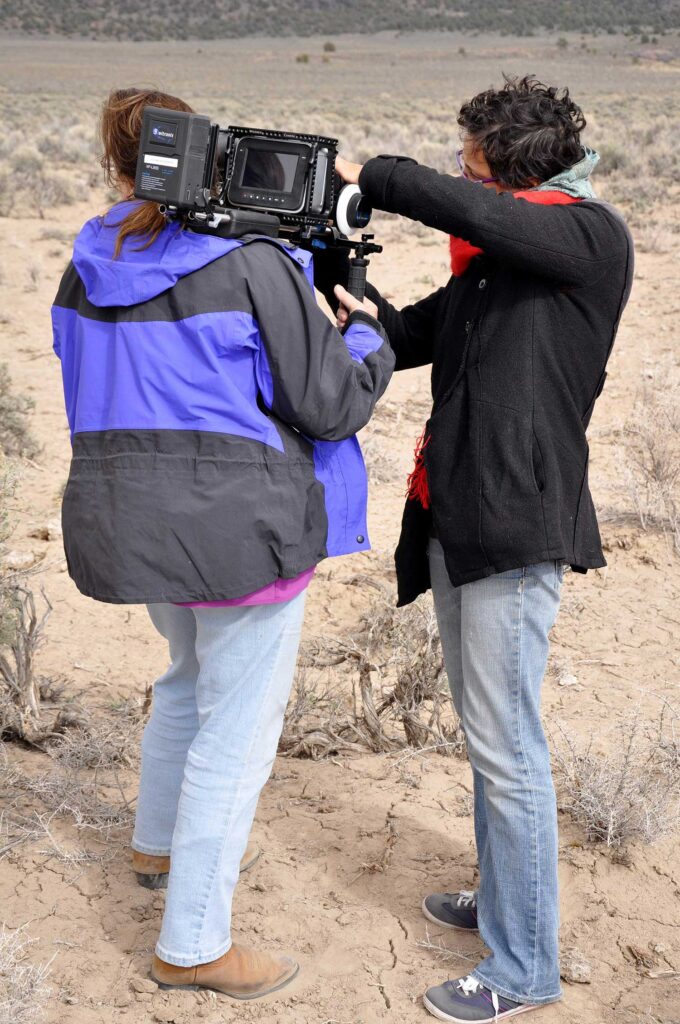
Another project that cannot be repeated and which I’d like to protect from theft! (photo (c) Catania Studios All Rights Reserved
The Practical Protocol for Creatives and Entrepreneurs
Based on everything above, here is the workflow I use and recommend.
First, confirm your training opt-out toggle is off in Claude’s Privacy Settings. This is non-negotiable if you do any professional or proprietary work in the tool.
Second, use a Private or Incognito window for any NDA, client, or legally sensitive session. Incognito chats are fully excluded from training by policy, full stop.
Third, describe your confidential documents rather than pasting them. A general description of your project gives enough context to collaborate effectively. You do not need to paste the actual pages.
Fourth, delete sessions that contained sensitive material. Go back and clean house if you need to. Deletion removes content from the training pipeline permanently, after the standard 30-day server purge cycle.
Fifth, register your original work. Copyright registration is a separate matter from AI privacy, but it is your strongest legal protection when someone misappropriates your content. Register scripts, treatments, articles, and original business documents. It costs very little and creates a legal record that matters.
A Note on the Bigger Picture
This is not just a settings problem. It is a rights problem, and creatives need to be in the conversation about how it gets resolved. The legislation is lagging years behind the technology. In the meantime, the only entity protecting your work is you, the creator.
I am not saying stop using AI tools. I use them every day, and the productivity gains are real. I am saying use them with full knowledge of what you are agreeing to, protect your sensitive work through the practical steps above, and stay informed as the policies continue to evolve.
Your work has value. Your ideas have value. Your clients’ confidential information has value. Protecting all of that is not paranoia … it is professional responsibility.
Let Me Know What You Think, What You Have Experienced
I want to hear from you. Have you thought carefully about AI privacy in your own practice? Have you run into situations where you felt your content was at risk, or have you found tools or workflows that give you more confidence? Leave a comment below or reach out directly. The more we share what we are learning, the better equipped we all are to navigate this landscape together.

Cirina Catania is an award-winning writer, producer, director, and photojournalist with an extensive career in Hollywood. She is a co-founder of the Sundance Film Festival and former senior executive at MGM/UA and United Artists. She is also the founder of the Student Media Collective, a nonprofit dedicated to mentoring the next generation of media professionals. She lives in California, but works worldwide wherever the stories take her.