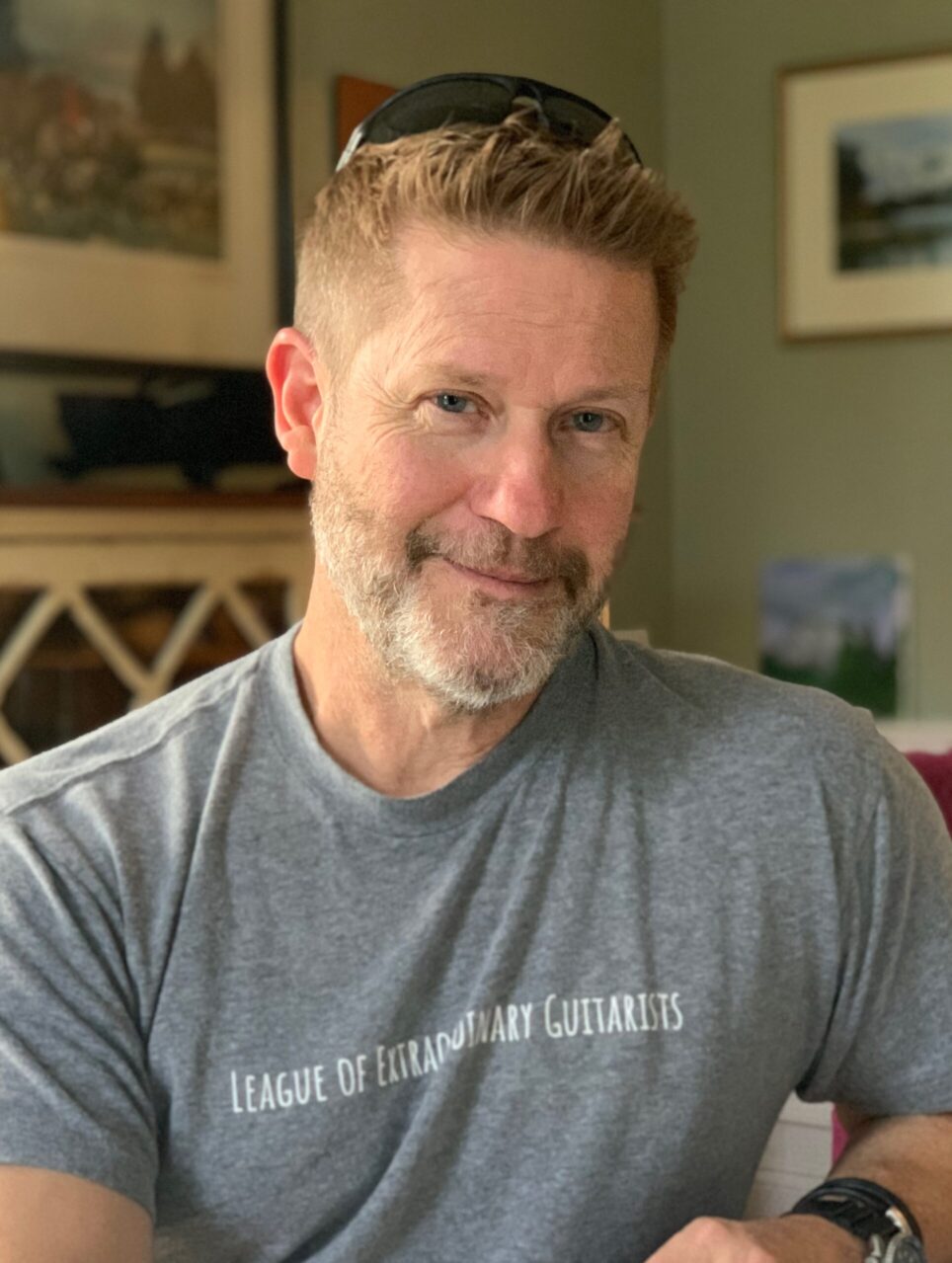
Kevin Bourke on NAB 2025
(2025-04-24, Boston, MA, Editorial by Jake Bourke) NAB 2025 came to a close earlier this month, and for many, it did not disappoint. While the headlining announcements this year weren’t considered as “earth-shattering” as prior NABs, momentum was still strong among exhibitors, and reports from the show floor indicate a glimmer of hope for 2025 despite the many challenges the industry continues to face.
On the front lines at NAB was Kevin Bourke, principal and founder of independent public relations consultancy BourkePR (also happens to be my father). Somewhat of an NAB veteran, he’s attended almost every NAB since 1999, supporting his clients, networking with the industry press and influencers, and securing new perspectives on what’s trending for the coming year.
I sat down and talked with him about his latest pilgrimage to NAB, discussing the past, present, and future of the industry, as well as the roles its innovators will have in shaping it.
Q: How long have you been attending NAB? How has it changed or evolved over the years?
Kevin Bourke: My first NAB was in 1999, which was a very interesting time for this space. The internet was just taking off, we were still trying to understand its potential, and all of these experimental video technologies were popping up everywhere, like streaming media. That was a big one at the time.
But as a communications professional observing the show from a purely marketing and PR perspective, it’s been VERY interesting for me to watch the trends come and go, and the hype that goes along with each new innovation. I’ve witnessed the dawn of the internet when the impact of streaming media on productions was only just beginning. I was there for the new era of DSLRs and their impact on the big, legacy camera space, andn the “resolution evolution” when everything went from 720p to 1080p, to 2k, 4k, 8k… I remember colleagues laughing about 2k, “Who would ever use 2k resolution, you can’t even broadcast in 2k!” Yet here we are.
The 3D hype of the early to mid-2010s was equally amusing, followed by VR/AR with the Apple Vision Pro and Facebook’s whole Metaverse initiative in the early 2020s.
But the biggest thing I’ve learned with industry trends is simply this: patience. Don’t get caught up in the hype. There’s always a big difference between what the tech developers are pushing as the “game-changing, bleeding edge” new tech and what end users actually need and want. It always settles somewhere in the middle.
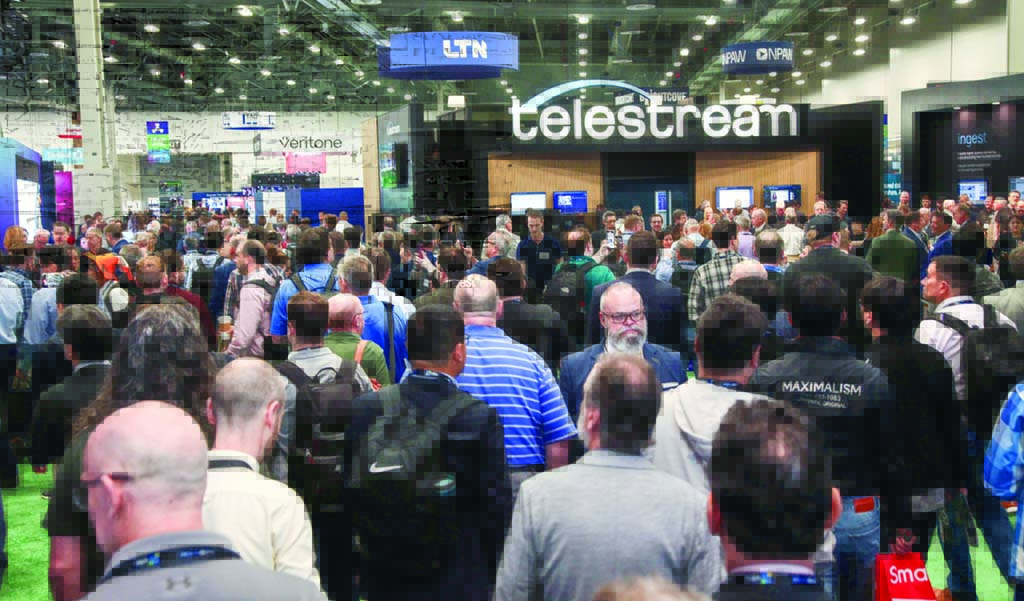
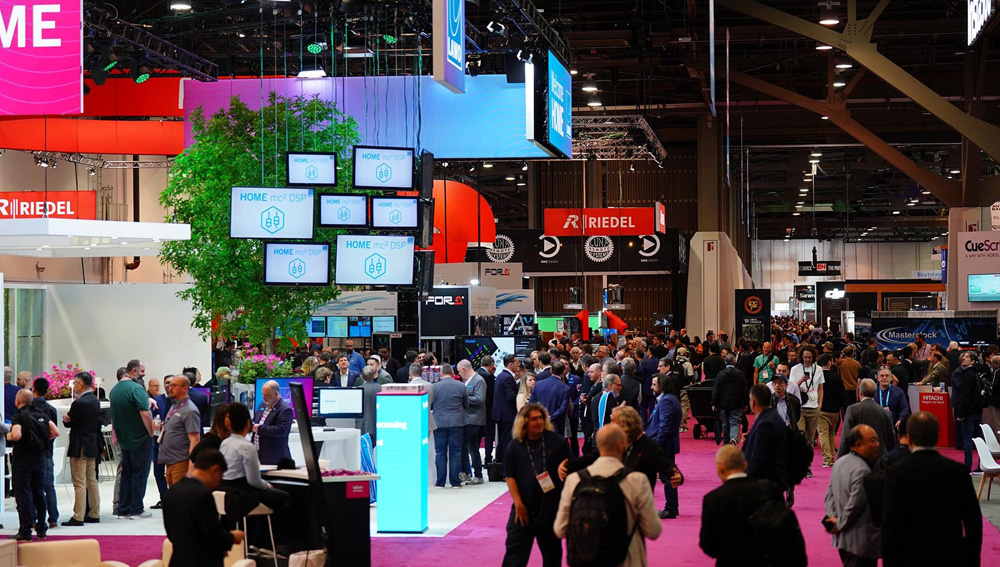
COVID was a real setback for NAB. Canceling the 2020 event in Las Vegas was devastating for them. As hard as they tried to stay relevant with virtual events, it was a struggle, and most companies had a full year or two to reevaluate everything, including the massive spending they were making on trade shows like NAB. However, NAB is making a comeback. Slowly. We’re not at the 110,000 people levels we saw in 2010: NAB 2025 brought in about 55,000 people. Not bad, and I honestly don’t think we’ll ever see those 100,000+ numbers again. But that’s ok. There’s such a thing as too big, and the threat of trade shows collapsing under their own weight is very real. Remember COMDEX? Exactly.
But what I do like about NAB today is that it seems to remember what it was meant to be: a networking show, a deal-making show, an opportunity for colleagues to reconnect and meet new people. It’s also an opportunity for the manufacturers to set the tone for the rest of the year, which, from a PR standpoint, is a huge opportunity to shape a narrative for the coming months between NAB and IBC, which bookends the industry news cycle quite nicely.
Q: Why were you at NAB this year?
I usually have a number of clients exhibiting, speaking, and collaborating with key partners during the show. This year was no different. I also take advantage of the show to reconnect with old friends and colleagues and expand my network. NAB is so valuable for that aspect of my business.
This year, four of my clients participated in the show: Puget Systems, LumaTouch, Digital Anarchy, and VEGAS Creative Software. Each of them shared their contributions to the Creator Economy through their exhibition space, participating in panel discussions and leading workshops to help attendees understand the craft of content creation.
Q: What was notable for you this year?
For me, the most notable trend was the formal recognition of “The Creator Economy” by NAB as a viable, valuable new opportunity to be taken seriously by the Entertainment Media Tech market. I’ve been working very closely with the Creator Community for many years now – YouTubers who have built successful businesses around their YouTube presence. I’ve noticed how the likes of early ‘vloggers’ like Casey Neistat, Marques Brownlee, Sara Dietschy and many others were producing a caliber of content enviable by any professional in the industry. And as I got to know these people personally, I realized they were serious professionals who were investing in gear – lighting, cameras, audio, post-production software. They had serious chops and they were willing to spend money on the right gear to enhance their content. But they were largely ignored by the industry, dismissed as wannabes or amateurs with a hobby. As they racked up millions upon millions of subscribers, building audiences that began competing with traditional legacy media, they could no longer be ignored.
So this year at NAB 2025, we witnessed a very popular and successful presence called The Creator Lab – a massive space on the floor of the South Hall that hosted panel discussions led by celebrity YouTubers and TikTokers, influencers from both traditional and new media, social media creators, as well, we witnessed major brands like Adobe sponsoring the Creator Lab and hosting training workshops for creators. It was a big step for the NAB, and, I believe, an important one. It is finally giving recognition and credibility to a new era, a future generation of content creators – and the industry is also waking up to it.
Q: Based on what you saw at the show, were there any signals that point to possible new industry trends?
I wouldn’t say ‘new’ trends, but rather, rapidly evolving trends. The biggest trend on everyone’s mind is AI. It was the same for last year’s NAB, but I would say the real big difference (and refreshing difference) was the hype meter was dialed way down this year. Last year, everyone had an over-the-top AI story. Lots of exaggeration, hyperbole, promises, and jargon. This year felt different. I believe there are a couple of reasons for this; for one, we’ve had a full year to digest what’s happening, adjust to the speed of advancement (AI is accelerating at a pace not seen before in high tech). We are beginnning to figure out where it might fit in a measured way in a professional pipeline. So we saw a lot of “utility AI,” that is, AI technologies that make workflow less tedious, but not taking away from the creator.
While we as an industry still need to contend with the impact of GenAI on the creative aspects of what we do, things seem to be settling down a bit.
I think the other trend, again, not new, but iterating, is virtual production. The industry is shifting from “what is it?” to “help me better understand it and how it impacts my production.” There is a lot of positive messaging that still needs to get out there about virtual production, like positive impact on sustainability, cost savings, and literally unlimited creativity. So I think we’re going to be seeing a lot more virtual productions in multiple segments, from advertising and marketing to more Hollywood-style productions. I think we’re also going to see even more volumes popping up all around the country, further decentralizing LA as the only option.
With all that’s going on in the world right now, I do feel glimmers of hope and opportunities for growth in 2025.
###
About Kevin Bourke, BourkePR: BourkePR is a communications and public relations consultancy to companies in the entertainment media tech market. Kevin Bourke launched BourkePR over 22 years ago, helping companies create ‘strategic visibility’ for their brands, their products, and company leadership. Though Kevin has been in high-tech public relations his entire career, the past two-plus decades have been exclusively focused on production, post-production, virtual production, and mobile filmmaking technologies. He advises companies on messaging, positioning, and building brand personas in a way that resonates with the community of creatives they sell to.